

What is California SB 343 and Why It Matters Outside of California?
Recyclability Laws and Materials
It would be difficult to find a person who doesn’t recognize this image or a version of it.

Unfortunately, the purpose of the original recycling images has been wildly misconstrued. The symbols do not declare recyclability but rather identify the material makeup of the item.

The lack of properly informing the public of the true purpose of these symbols proliferated the misuse of these chasing arrows. The visibility of the image advanced in popularity and the use of these chasing arrows on packaging and products was swiftly adopted to mean different things to different people or organizations.
Additionally, there are other resin codes to be considered as shown in this chart.
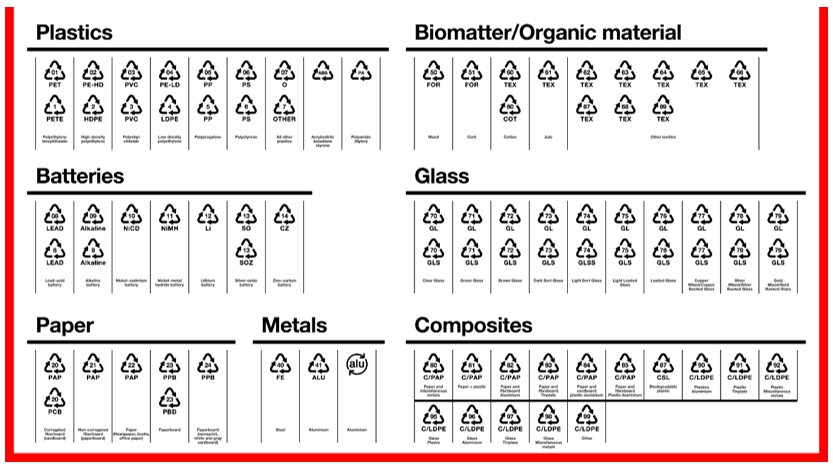
The cause of the misuse is in part due to the lack of standards. Although the FTC Green Guides offer federal guidance and governs environmental marketing claims nationally, each state can produce their own laws regulating forms of recyclability identification. These laws can require chasing arrows or prohibit chasing arrows. They can be required or prohibited on packaging labels, or on a physical product itself.
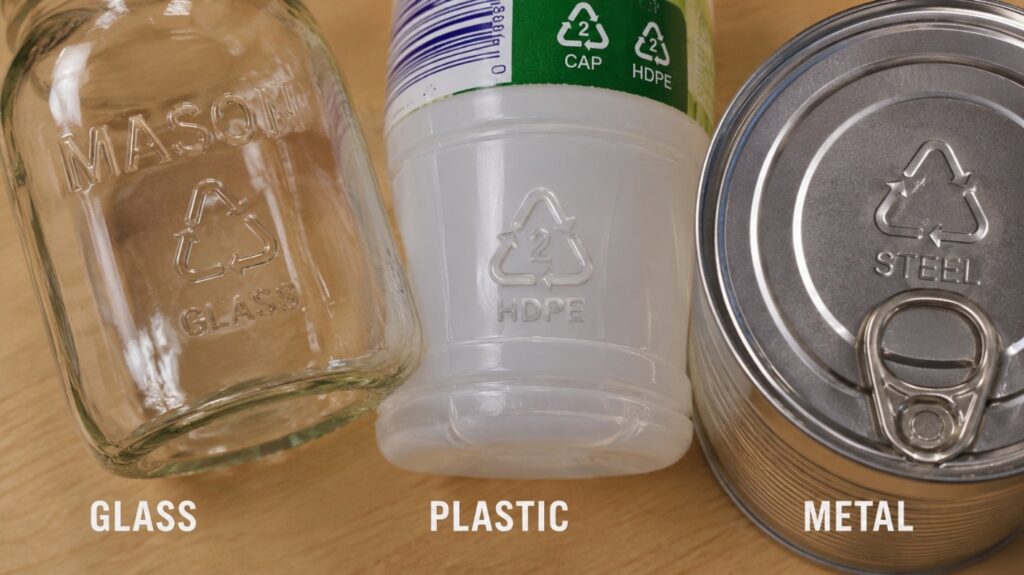
Images like these have evolved in the public eye mistakenly conveying some generalization of recycling conditions. The general public has come to accept that this chasing arrow symbol implies recyclability. Businesses exercise the use of these to promote their sustainable responsibilities. However, as time passed, environmentally concerned organizations began to question these practices and turned to their lawmakers. Hence California’s SB 343 law. This is about these chasing arrows with resin identification codes (RIC) appearing on items and labels.
The California Law
California SB 343 was signed into law in 2021, but its effects would play out in phases. The law is often called the “Truth in Recycling” or “Truth in Labeling” law. (CalRecycle Home Page) It aims to prohibit the use of labeling products as recyclable when they are not actually recycled in practice.
The key is “actually recycled” verses “technically recyclable”, meaning the item could be recycled under ideal conditions. Defining what items are actually recycled was a task assigned to the California Department of Resources Recycling and Recovery (CalRecycle). The directive was to study what materials are truly recycled in the state and publish their findings.
Although the bill was signed in 2021, final report was published in April 2025. That triggered the compliance timeline. The labeling restrictions now apply to products and packaging manufactured after October 4, 2026.
The law says that companies generally cannot use the chasing-arrows recycling symbol, the word “recyclable,” or similar claims on products and packaging unless the material meets specific criteria showing it is actually collected, sorted, and recycled at scale in California. (CalRecycle Home Page)
Confusing Regulations
In California a glass bottle, aluminum can, steel can, paper carton, or plastic package must all meet the state’s recyclability standards before recyclability claims or chasing arrows may be used.
Generally, states do not have separate recyclability laws for materials. Rather regulations are focused on whether a company can claim a package is:
- Recyclable
- Compostable
- Biodegradable
- Environmentally friendly
In practice, a clear glass jar or aluminum can is much less likely to encounter labeling challenges than:
- PVC packaging
- Multi-material blister packs
- Plastic-film structures
- Flexible laminates
Regardless of the material, regulations that vary from state to state will produce burdens for manufacturers, distributors and retailers.
To be clear, there is a distinction between the resin code and the chasing arrows. Originally, the chasing arrows, Mobius Loop, was created in 1970 as part of a design competition for the first Earth Day. Mobius Loop was to represent recycling, not materials. Recycling programs used the Mobius Loop during the 1970s and 1980s. There was no standardized national coding system.
In 1988 The Society of the Plastics Industry (SPI) introduced the Resin Identification Code System and included the Mobius Loop in its symbol. The SPI took a popular image with nearly 20 years of association with Earth Day and applied it to their resin name and number. While this was the first widely adopted material-specific recycling symbol system in the USA, it initiated the most improper use of those chasing arrows, the Mobius Loop image.

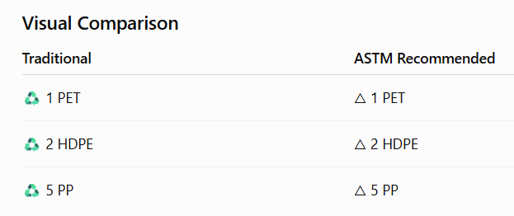
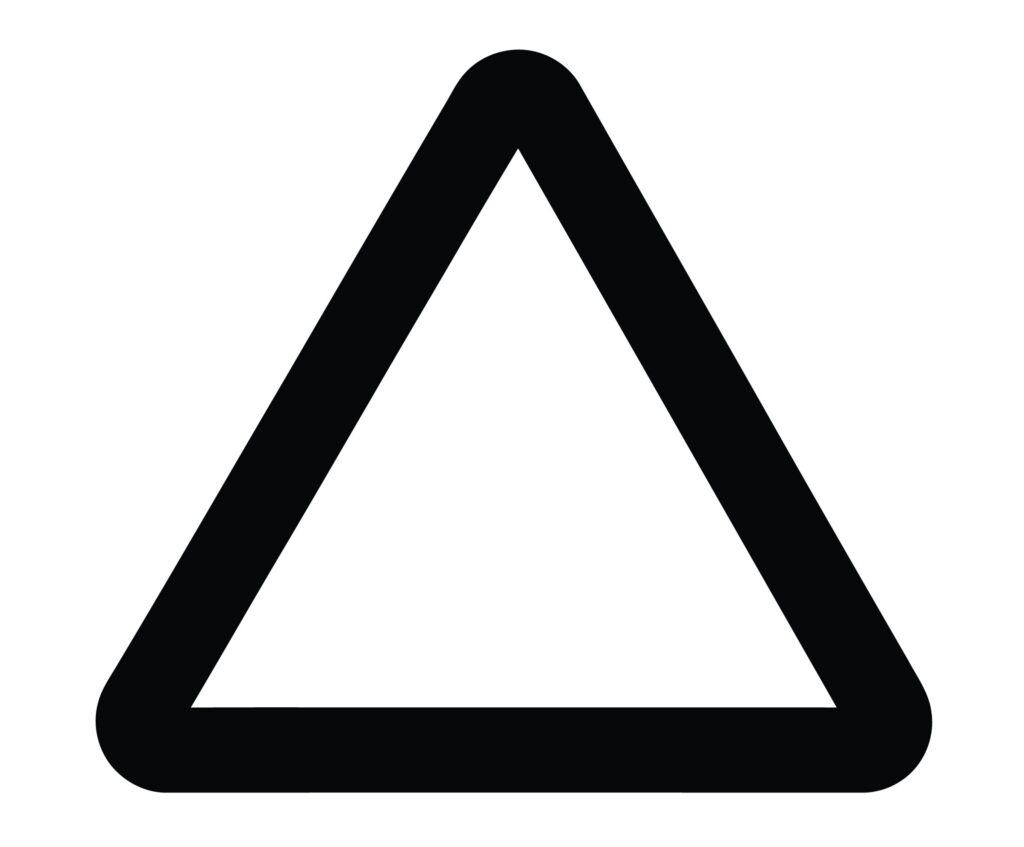
Since 2013 ASTM (Advancing Standards Transforming Markets) recommends using a solid triangle rather than the traditional chasing-arrows symbol to reduce consumer confusion. The question becomes whether the general public will understand the differentiation, or will it increase confusion. A clear state of confusion is bound to increase based on a portion of CA SB 343 which indicates for packaging sold in California the use of a plain triangle may need to be used on non-recyclable plastics.
The Implications Extend Beyond California
A number of states are evaluating legislation similar to California’s. The focus is not on banning resin identification codes, but on preventing consumers from mistaking a resin code for a recyclability claim.
Historically, about 35–40 states enacted laws requiring plastic bottles and/or rigid plastic containers to carry a resin identification code (#1 PET, #2 HDPE, #5 PP, etc.). Many of these laws date back to the late 1980s and early 1990s.
Examples include:
- California – requires rigid plastic bottles and containers sold in the state to be labeled with a resin code.
- Washington – requires plastic bottles and rigid plastic containers to be labeled with the appropriate resin code.
- Texas – requires plastic bottles and rigid plastic containers to display the resin identification symbol.
- New Jersey – requires plastic bottles and containers sold in the state to bear a material code identifying the resin.
- Michigan – requires plastic products sold in the state to be labeled with a resin code.
SPI, ASTM, Mobius Loop, solid triangle – all floating through the industries at anyone’s discretion. Further compounding the problem across the 50 states of the USA is that each state has their own laws making it extremely complicated and expensive to trade between states.

CA SB 343 for example, will prohibit the identification of the resin code within the chasing arrows unless the item qualifies as recyclable under California’s recyclability criteria. What will a manufacturer do if their products already have arrows embedded in the product? If the manufacturer wants to continue selling in California and the product does not fall under California’s recyclability criteria, this company will need to create a second mold and produce two different versions of the same product
State of Confusion
There is a distinction between “states that require resin identification codes” and “states whose statutes still specifically require the code to be displayed in a triangle of chasing arrows.”
In 2021, the Oregon Truth in Labeling Task Force identified and compiled a list of 36 states requiring the RIC and chasing arrows on plastic bottles, rigid plastic containers, or both (listed at the end of this article). This number will likely change over time as states amend their laws. For example, Texas and Michigan laws explicitly state requirements for “a number placed within a triangle of arrows” and continues to describe the geometry of the arrows and the clockwise path around the number.
Questions remain, but not limited to:
- Can you imagine being a manufacturer selling across the nation and the need to protect your company by following the guidelines of each different state?
- What are the clear guidance and enforcement needed before companies weigh competing state requirements, potential liability and costs to change to comply?
- Will California’s law become the de facto national standard because maintaining separate molds/ inventories/ production runs is too costly?
It will not be business as usual so let’s look at some pros and cons.
For and Against
Supporters acknowledge the law combats greenwashing, is needed to reduce confusing or misleading messaging surrounding recyclability and restore trust in recycling programs and initiatives.
Critics state the new law creates compliance burdens and may force pricing for products to rise, hurting the consumer. Compliance burdens include:
- Labeling changes
- Redesign packaging
- Replace molds
- Edit documents involving environmental claims
- Reassess nationwide packaging strategies.
Consumers who enjoy particular products that have displayed the chasing-arrow image may now need to make new choices or face increased prices if the product can no longer present the symbol.
Challenging CA SB 343
The burden on manufacturers, distributors, and retailers produced lawsuits challenging the new law. In March 2026, coalitions representing food, grocery, restaurant, dairy, and packaging interests filed federal lawsuits arguing that the law violates free-speech protections and is too vague, creating burdensome requirements. The coalition consists of 18 trade associations and industry groups including California League of Food Producers, Dairy Institute of California, Flexible Packaging Association, American Forest & Paper Association, and California Grocers Association. The lawsuit seeks a preliminary injunction to block enforcement of SB 343.
The Federal Trade Commission’s Green Guides still govern environmental marketing claims nationally. Even if a state lacks a specific recyclability-label law, a company can face scrutiny if a “recyclable” claim is misleading.
The complications strengthen implications down the line. When a manufacturer produces a product with resin code identification using chasing arrows, will it create controversy from state to state? In California it will unless the item meets the criteria set in SB 343.
This confounding situation points back to the original intent of the resin code identification and how the lack of standardizing and promoting the true purpose of the code has led to this exceedingly difficult quest. Stay tuned because this subject is receiving significant media coverage. In other words, the chase is on!
States requiring the RIC and chasing arrows on plastic bottles, rigid plastic containers, or both (2021)
| Alaska | Kansas | New Jersey |
| Arizona | Kentucky | North Carolina |
| Arkansas | Louisiana | North Dakota |
| Colorado | Maine | Ohio |
| Connecticut | Maryland | Oklahoma |
| Delaware | Massachusetts | Rhode Island |
| Florida | Michigan | South Carolina |
| Georgia | Minnesota | South Dakota |
| Hawaii | Mississippi | Tennessee |
| Illinois | Missouri | Texas |
| Indiana | Nebraska | Virginia |
| Iowa | Nevada | Wisconsin |